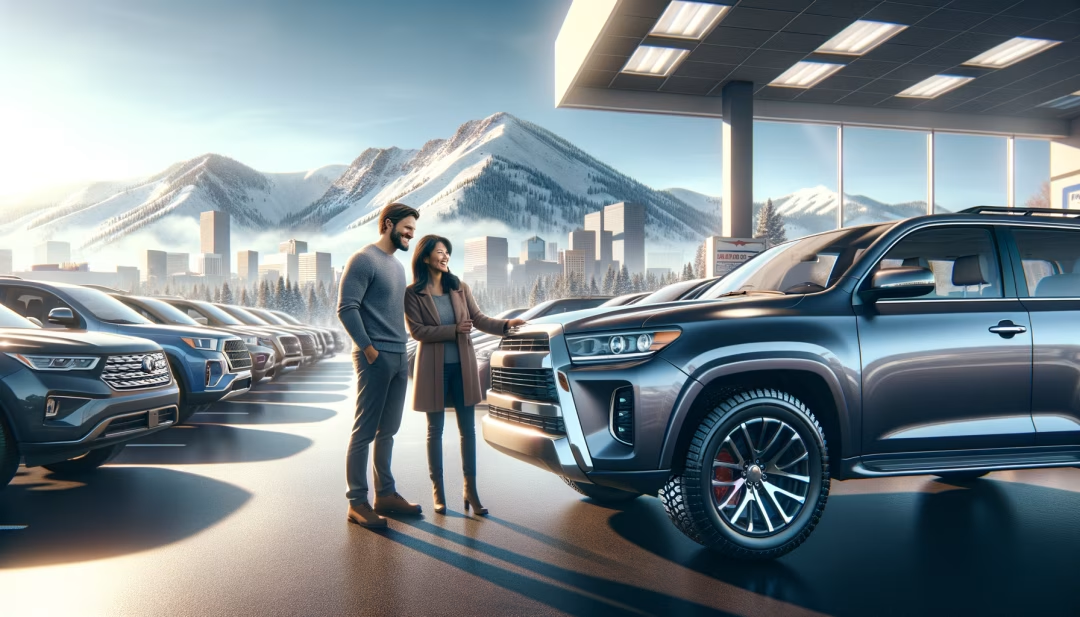
Denver Used Car Buying Guide: Step By Step
Buying a used car in Denver is different from many cities. The combination of altitude, winter weather, and mountain driving adds a few must do checks to the standard process. Use this local roadmap to move from research to keys in hand with fewer surprises.
1. Start With Market Research
Price confidence begins with real local data. Compare asking prices and recently sold vehicles to understand fair value ranges before you test drive.
2. Build A Denver Ready Budget
Total cost of ownership in Denver is shaped by insurance, winter gear, and maintenance for mountain driving. Create a budget that includes more than the payment.
- Aim for a monthly auto budget near 10 percent of take home pay including payment, insurance, and fuel.
- Add seasonal costs like winter tires or all weather tire swaps and a battery with strong cold cranking amps.
- Plan for taxes, title, registration, and any emissions fees at purchase. See details below in the Colorado paperwork section.
3. Financing Options In Denver
Whether your credit is strong, new, or rebuilding, financing clarity helps you shop smarter. Compare rate tiers, down payment options, and terms that match your timeline.
- Learn how approvals work and what lenders consider at used car financing Denver CO.
- If you are rebuilding, explore second chance auto financing Denver CO for paths forward using consistent income and right sized down payments.
- Bring recent pay stubs, a utility bill, and a valid Colorado ID to streamline an approval and title work.
4. Shortlist Vehicles For Denver Driving
Match your vehicle to real world use. Denver commuters, ski travelers, and weekend adventurers have different needs.
- City commuters: prioritize fuel economy, safety tech, and compact size for parking in busy areas.
- Mountain goers: look for AWD or 4WD, hill descent control, heated seats, and ground clearance. Pair with quality winter tires in season.
- Family haulers: check cargo flexibility, second row comfort, LATCH anchors, and driver assistance features.
5. Pre Purchase Checks For Altitude And Weather
Altitude and temperature swings in Denver can stress cooling, batteries, and turbos. Add these checks to your normal inspection list.
- Cooling system: confirm no leaks, stable temperature on uphill grades, and recent coolant service.
- Battery and charging: test cold cranking performance and alternator health. Denver winters challenge weak batteries.
- Turbo and intake: listen for whine, check boost under load, and confirm air filter condition at altitude.
- Tires and brakes: measure tread, verify winter or all weather ratings, and inspect rotors and pads for mountain descents.
6. Smart Test Drive Routes In Denver
A quick loop around the block will not reveal much. Include highway merges, stop and go sections, and a modest climb so you can listen and feel for issues under different loads.
- Start cold if possible. Note idle smoothness and any start up smoke or rattles.
- Drive a steady incline to check engine temperature stability and transmission shifting under load.
- On a rougher surface, listen for suspension clunks. Test brake feel at different speeds and a firm stop.
7. Vehicle History And Independent Inspection
History reports reduce guesswork, and a trusted inspection can surface hidden costs. Ask for records and verify VIN details against the title.
- Request a vehicle history report and review title brands, number of owners, mileage consistency, and accident entries.
- Ask for service records, especially for timing belt or chain service, transmission fluid, coolant, and brakes.
- Consider a pre purchase inspection with a trusted technician familiar with Colorado conditions.
8. Colorado Paperwork, Taxes, And Emissions
Colorado has specific steps for title transfer, emissions, and registration. Buying from a dealer simplifies much of this, but it helps to know the basics.
- Title and bill of sale: the title must match the VIN and seller. Dealers handle this, then you receive registration documents when complete.
- Emissions: certain model years require emissions testing in the Denver Metro Area. Dealers typically provide a passing certificate if required at sale.
- Taxes and fees: expect state and local sales tax, ownership tax, title fee, registration, and a doc fee. Ask for a line item buyer order to confirm totals before signing.
9. Negotiation Made Simple
Negotiation is smoother when you anchor to data and focus on out the door numbers, not just price alone.
- Use your research from used car market research Denver CO and sold inventory to set a realistic target.
- Compare out the door totals including taxes and fees. A slightly higher price can still be a better overall value if fees are lower.
- Be flexible on accessories or service add ons that increase long term reliability, like winter tires or an extended service contract you value.
10. Warranty, Protection, And What Matters In Denver
Protection plans should match how and where you drive. Focus on coverage that addresses real Denver use cases.
- Powertrain coverage: useful for higher mileage commuters or frequent mountain drives where engines and transmissions work harder.
- Tire and wheel protection: helpful for winter potholes and mountain debris.
- Gap coverage: consider if your down payment is small or terms are longer.
Denver EV And Hybrid Considerations
EV and hybrid shoppers should account for cold weather range and altitude effects. Cold temperatures reduce EV range, and mountain climbs increase energy use. Plan charging with home level 2 if possible and map out public charging on common routes. For hybrids, check battery health, inverter cooling, and brake system condition because regenerative braking changes wear patterns compared with traditional vehicles.
Trade In Tips
A strong trade in presentation can add real dollars to your deal. Clean your vehicle, gather maintenance records, and address small issues like bulbs or wipers. Request a written offer and compare it against tax savings from trading in versus selling privately. In Colorado, your trade in value can reduce the taxable amount of the new purchase, which increases your net benefit.
After You Buy: Ownership Checklist
Set yourself up for predictable costs and safe winter driving with a short post purchase routine.
- Schedule baseline maintenance like oil, filters, brake fluid, and a battery test before the first snow.
- Install winter tires when temperatures consistently fall under 45 degrees, then rotate and store off season.
- Set reminders for emissions and registration renewals to avoid penalties.
Helpful Links
Explore more resources and nearby market snapshots to round out your research.
Frequently Asked Questions
Bring a valid Colorado ID or drivers license, proof of insurance, and proof of address. For financing, add recent pay stubs and a utility bill. If you have a trade in, bring the title or payoff information and all keys and remotes.
AWD or 4WD is helpful for unplowed roads and mountain trips, but quality winter tires often improve traction more than drivetrain alone. For mostly city driving, front wheel drive with proper winter tires can be a smart, lower cost option.
Many vehicles in the Denver Metro Area require a passing emissions certificate based on model year. Dealers typically handle the test before sale or provide a current certificate. If you buy privately, confirm emissions status before you register.
Dealers handle title transfer, can assist with emissions, and often provide reconditioning, limited warranties, or service contracts. Private deals may be cheaper but place all risk and paperwork on the buyer. Compare value, not just price.
If you buy from a dealer, the team typically submits title and registration to the county on your behalf, then you receive plates or documents when complete. For private sales, bring the signed title, bill of sale, ID, and emissions certificate to your county office.